


Search Results for "Corn"
News Results 305 of 1000 pages

It is turtle season in Ohio
Ohio’s turtle season is open July 1 to Dec. 31. Learn more about the regulations, strategies for catching and ways to enjoy turles.

Now is the time to test your hay
Testing now will give you plenty of time to plan ahead for winter and ensure you have enough supplemental feed on hand.

Is it time for trophy hunting to end?
Like it or not, trophy hunting is legal. In his column this week, Scott Shalaway wonders whether or not it should be.
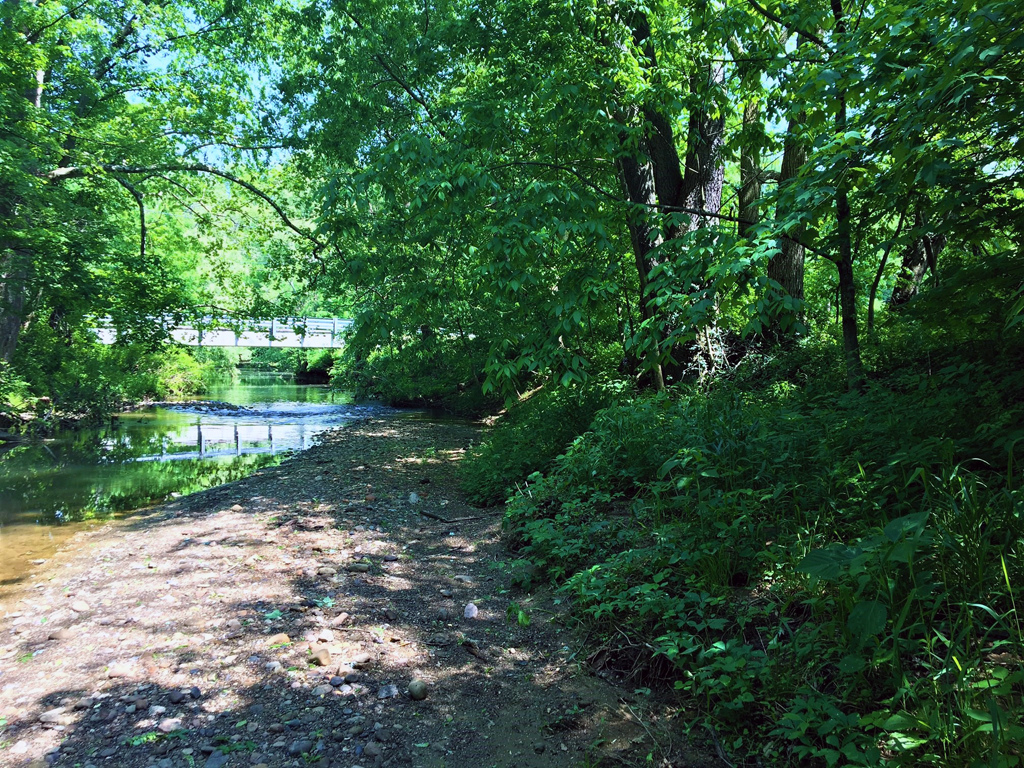
Riparian buffers can make a difference in water quality
Riparian zones serve many purposes along streams and rivers to support a biodiversity ecosystem. They are also important to water quality

Senate farm bill moves out of committee
The Senate Ag Committee passed its version of the 2018 farm bill out of committee with a 20-1 vote earlier today.
USDA report helps grain market
USDA planting report afterglow: Unless there are amazing discrepancies from the expectations, the market spends one day reacting, then we go back to business.
The best of times, the worst of times
The American economy is downright Dickensian. If you’re in investment banking, airlines, real estate or automobile anything, it’s the worst of times. If you’re in commodities — oil, copper, potash, gold, corn, soybeans — it’s the best of times.

Starting the planting season low on hope
Marlin Clark offers an update on the struggling commodity markets in his April 9, 2020 column.
Wet rainy weather delays 2013 harvest
It should not surprise us that rainy weather has delayed harvest. It delayed planting, and cool weather did not allow the crop to catch up. So, here we are, absent government reports as USDA is catching up from the shutdown, and guessing just what has been harvested. Whatever it is, it is not enough. Making
Lack of rain may cause stalk rot
WOOSTER, Ohio — Despite recent rain from the remnants of Fay, parts of Ohio remain abnormally dry, and the drought-like conditions may cause stalk rot and lodging problems in corn. Pierce Paul, an Ohio State University plant pathologist with the Ohio Agricultural Research and Development Center, said that dry conditions experienced during grain fill often